

 Table of Content
If you have spent a weekend putting your SaaS product in every directory you can find and then you look at your analytics and they do not change. You already know what the problem is. Not every SaaS directory sends buyers. Some send bots. Some send nothing at all.
Here's the thing nobody tells you before you start: directories aren't one thing. Some are built for people actively comparing tools and ready to buy. Others are just old lists that Google happens to rank, sitting there collecting dust with no real visitors. Mixing the two up is how founders end up with 15 listings and zero signups to show for it.
This list skips the padding. Below are 11 B2B SaaS directories worth your time in 2026 - what each one actually does, who it's built for, and where it fits: lead generation, SEO backlinks, or both. You should pick three or four directories that're in the same category the all eleven at the same time.
Why B2B SaaS Directories Still Matter
Buyers still start research on comparison sites before they ever talk to sales. A decent chunk of your target audience is typing "best [category] software" into Google right now, and directories are what show up. Beyond leads, a listing on a trusted directory is also a backlink - and for a new SaaS site, those backlinks help Google trust you faster.
If your product is new, then check out the must-have SaaS tools for startups. Find out what tools your buyers already use. This can show you which directories they are likely to check out.
The trick is picking directories that match your category and stage, not blasting your listing everywhere and hoping.
Top B2B SaaS Directories
1. SoftwareBunch
Overview:
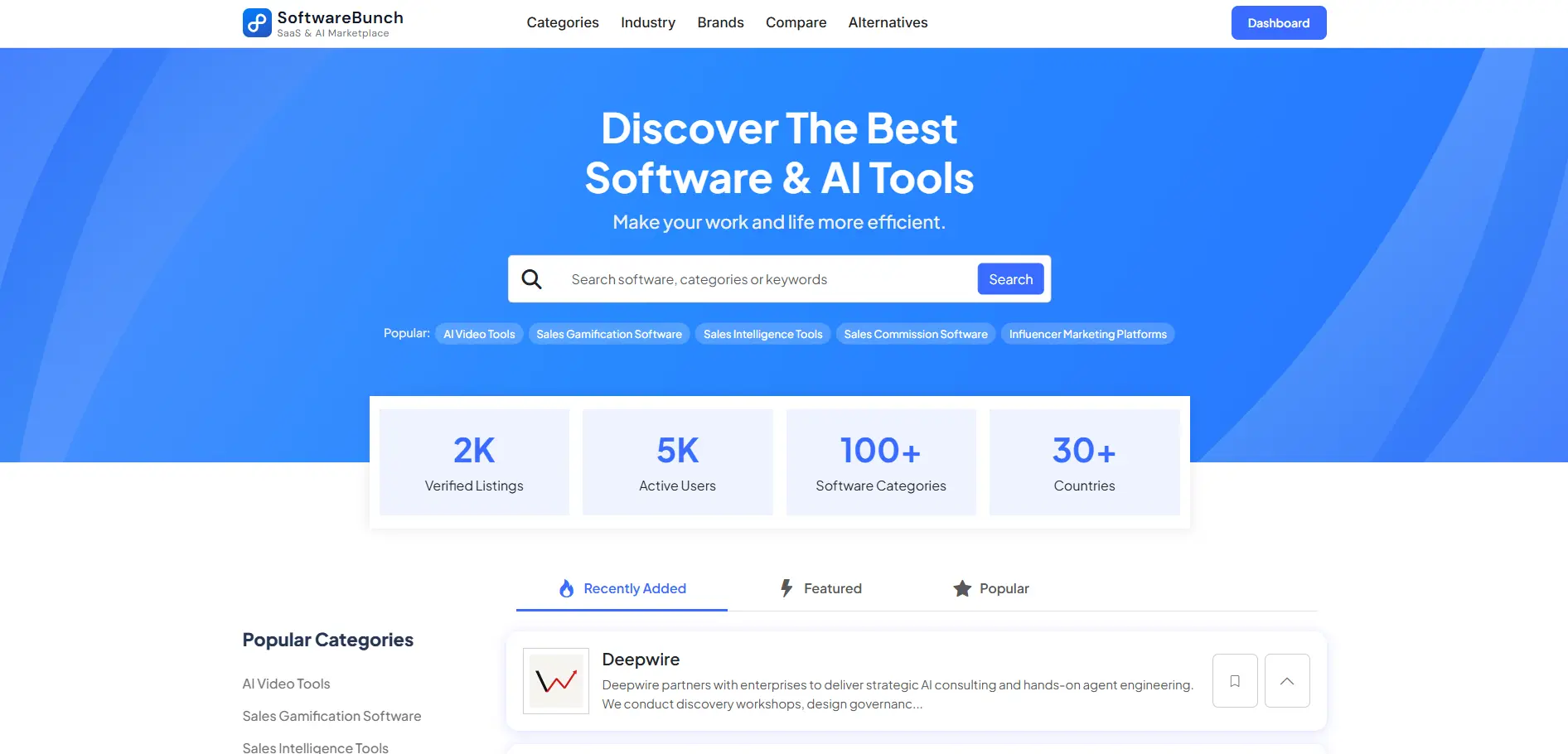
SoftwareBunch is a software discovery directory that lists tools across categories like productivity, marketing, and dev tools, with simple listing pages built for quick comparison.
Key Features:
- Category-based browsing so buyers can narrow down tools fast
- Straightforward listing pages - no bloated review requirements to get started
- Good for newer or niche SaaS tools still building a review base
Best For: Early-stage SaaS tools that need a fast, low-friction first listing.
2. TrustRadius
Overview:
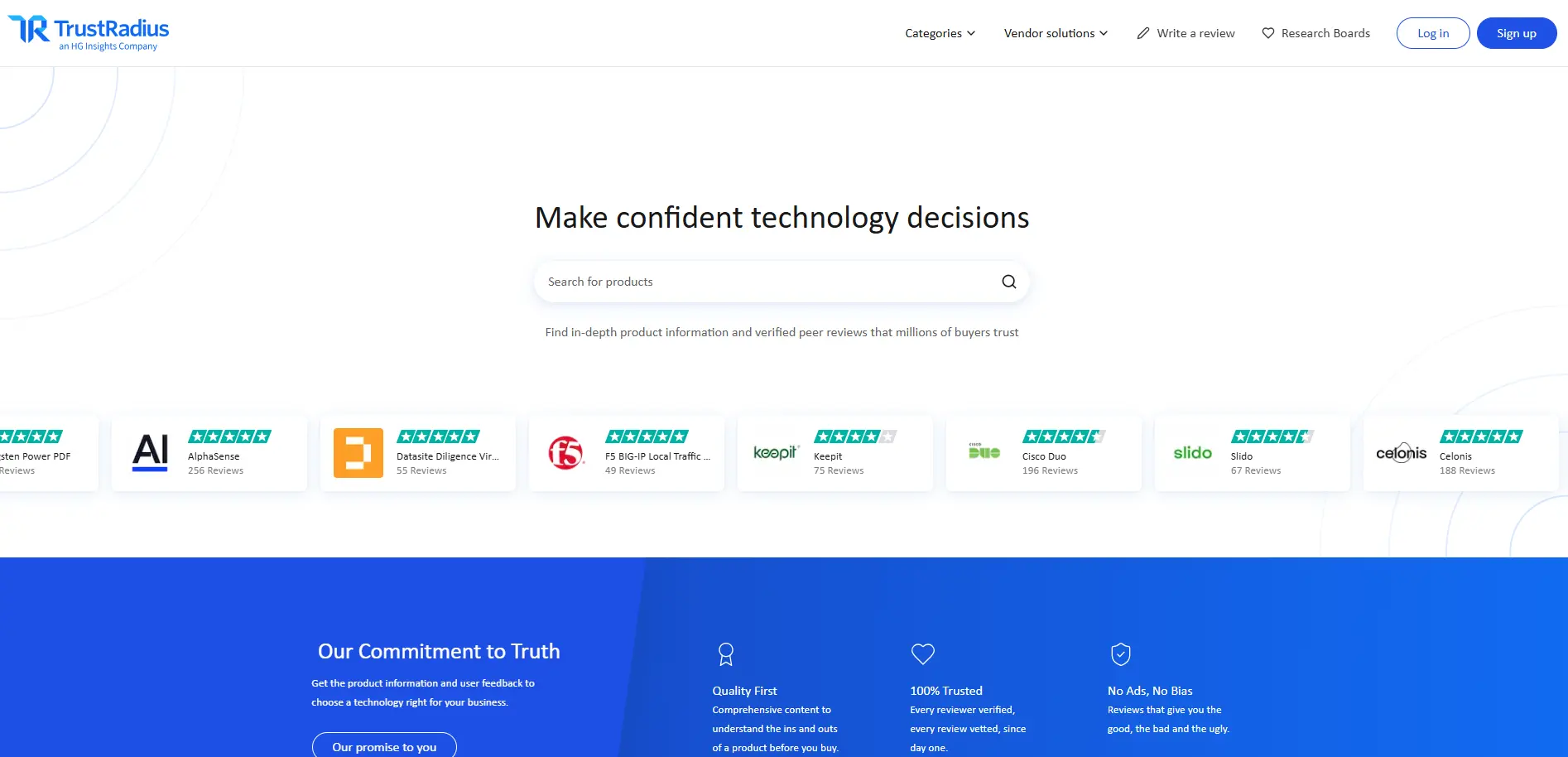
TrustRadius is a review website specializing in thorough reviews by real B2B buyers with more emphasis on research rather than casual browsing.
Key Features:
- Long-form reviews that go deeper than star ratings, useful for buyers doing real research
- Buyer intent data shared with vendors so you know who's checking out your profile
- Trust badges like "Top Rated" that you can use on your own site
Best For: SaaS companies selling to buyers who read reviews carefully before booking a demo.
3. NachoNacho
Overview:
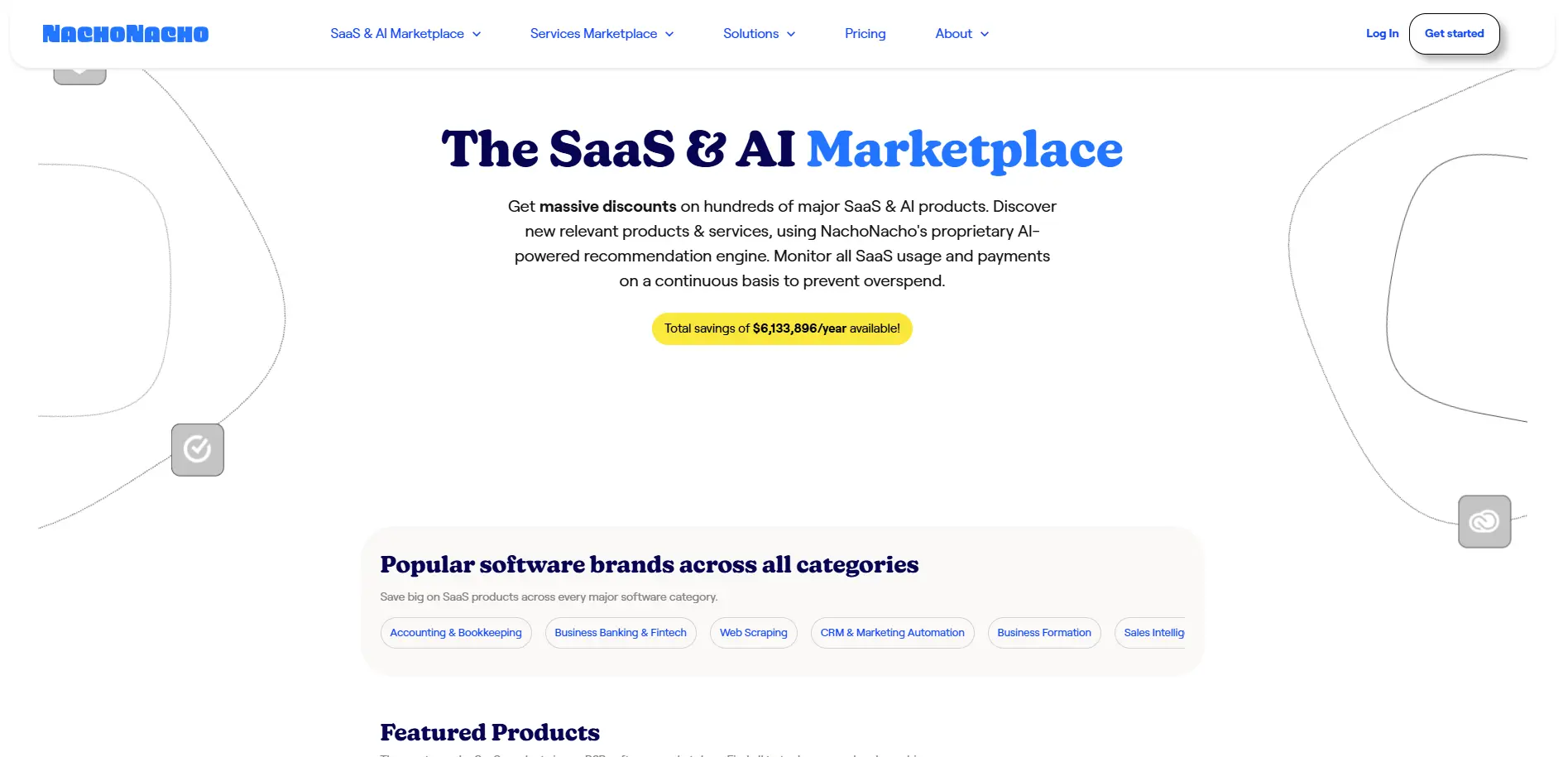
NachoNacho began as a SaaS marketplace for businesses to purchase software subscriptions and control their expenses and has become a directory allowing the vendors to connect with procurement-oriented buyers directly.
Key Features:
- Buyers on the platform are actively shopping, not just browsing
- Built-in SaaS spend management tools attract finance and ops decision-makers
- Vendor deals and discounts can be listed to stand out
Best For: SaaS vendors targeting finance, ops, or procurement teams that manage software budgets closely.
4. SaaSworthy
Overview:
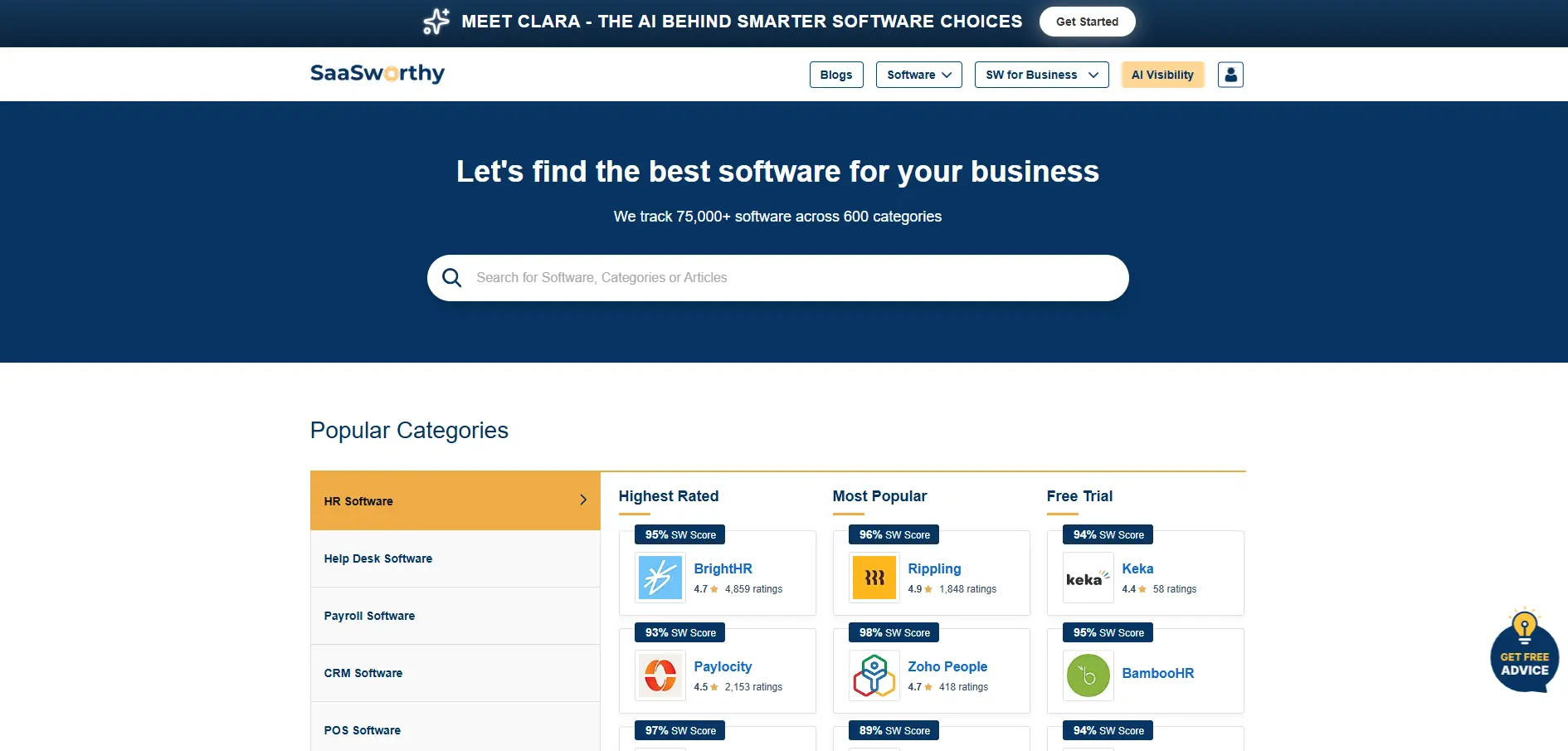
SaaSworthy is an evaluative website ranking tool according to the user experience, depth of functionality, and market recognition.
Key Features:
- Clear scoring system that buyers use to shortlist tools quickly
- Side-by-side comparison pages against direct competitors
- Category rankings that reward tools with strong reviews
Best For: SaaS products with a decent number of happy customers who can leave reviews.
5. Crozdesk
Overview:
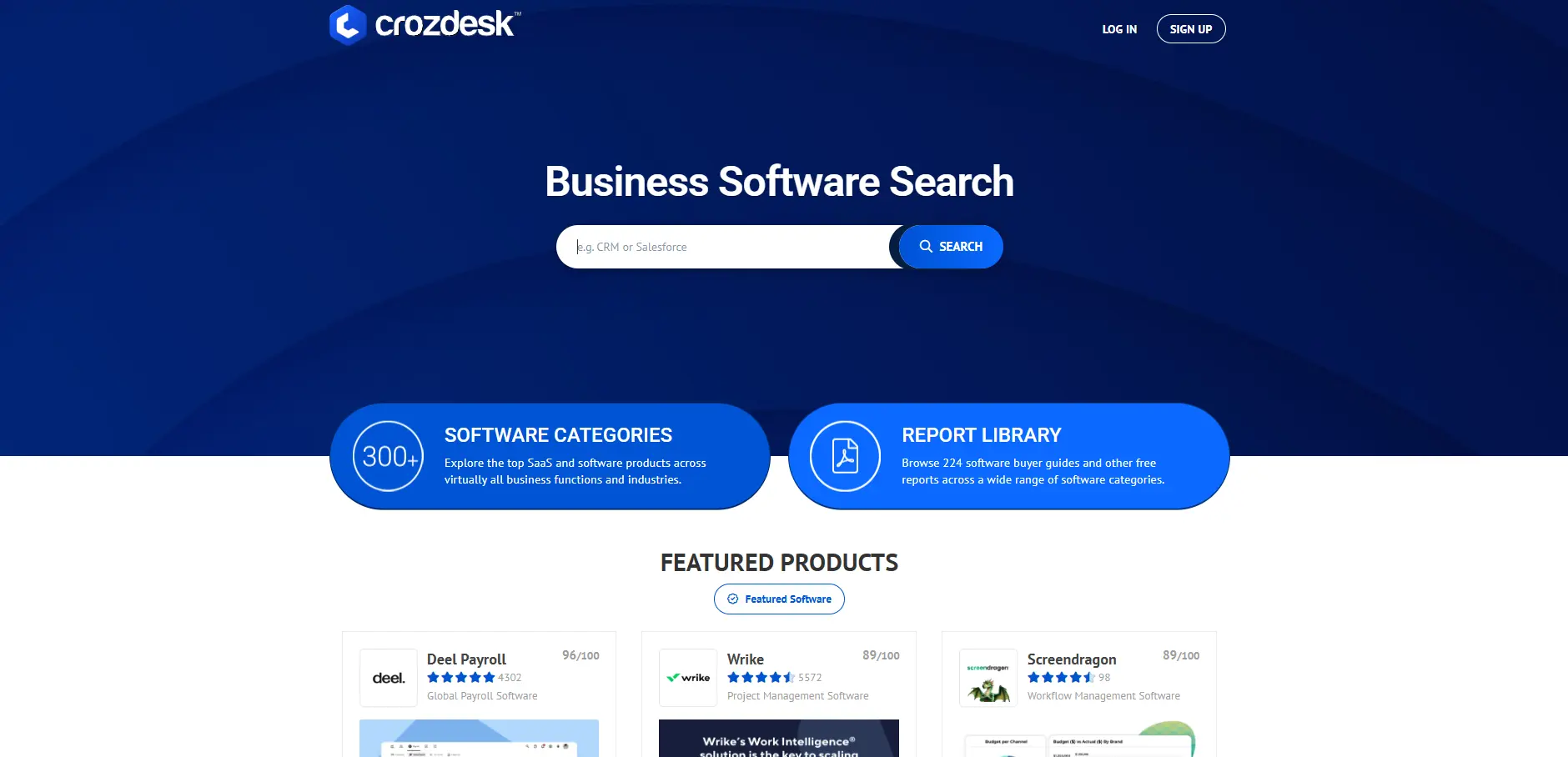
Crozdesk pairs a software directory with a matching service - buyers describe what they need, and Crozdesk suggests relevant tools, including yours if you're listed and fit the criteria.
Key Features:
- Buyer-matching engine that can put your product in front of qualified leads
- Detailed vendor profiles with pricing and feature breakdowns
- Advisory-style content that builds trust with cautious B2B buyers
Best For: Mid-market SaaS companies with clear, well-defined use cases.
6. Software Finder
Overview:
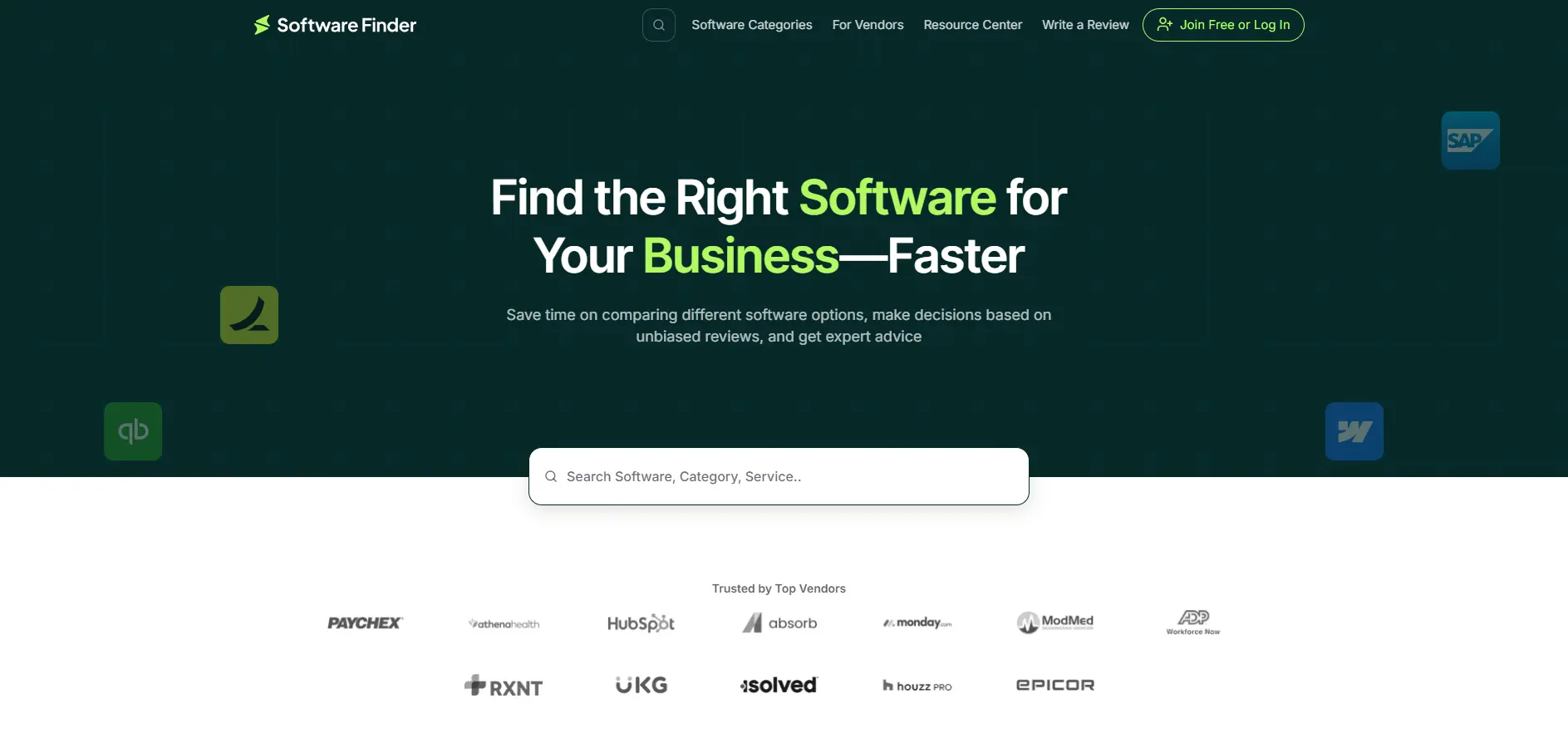
Software Finder is a directory and buyer's-guide site that combines software listings with articles, comparisons, and "best of" roundups to help businesses choose tools.
Key Features:
- Editorial content (guides, roundups) that can rank well and feature your tool
- Category pages built around buyer intent, not just alphabetical lists
- Lead-gen forms that connect vendors with interested buyers
Best For: SaaS companies willing to pitch for inclusion in "best software" roundup articles, which tend to convert well.
7. Software Advice

Overview:
Software Advice, owned by Gartner, combines a software directory with phone-based advisors who talk to buyers and recommend tools based on their needs - including paid placements for vendors.
Key Features:
- Human advisors that can recommend your product directly to buyers
- Gartner-backed credibility that buyers trust
- Detailed buyer guides for dozens of software categories
Best For: SaaS companies with a budget for paid lead-gen, since much of the real value here is behind a pay-per-lead model.
8. FinancesOnline
Overview:
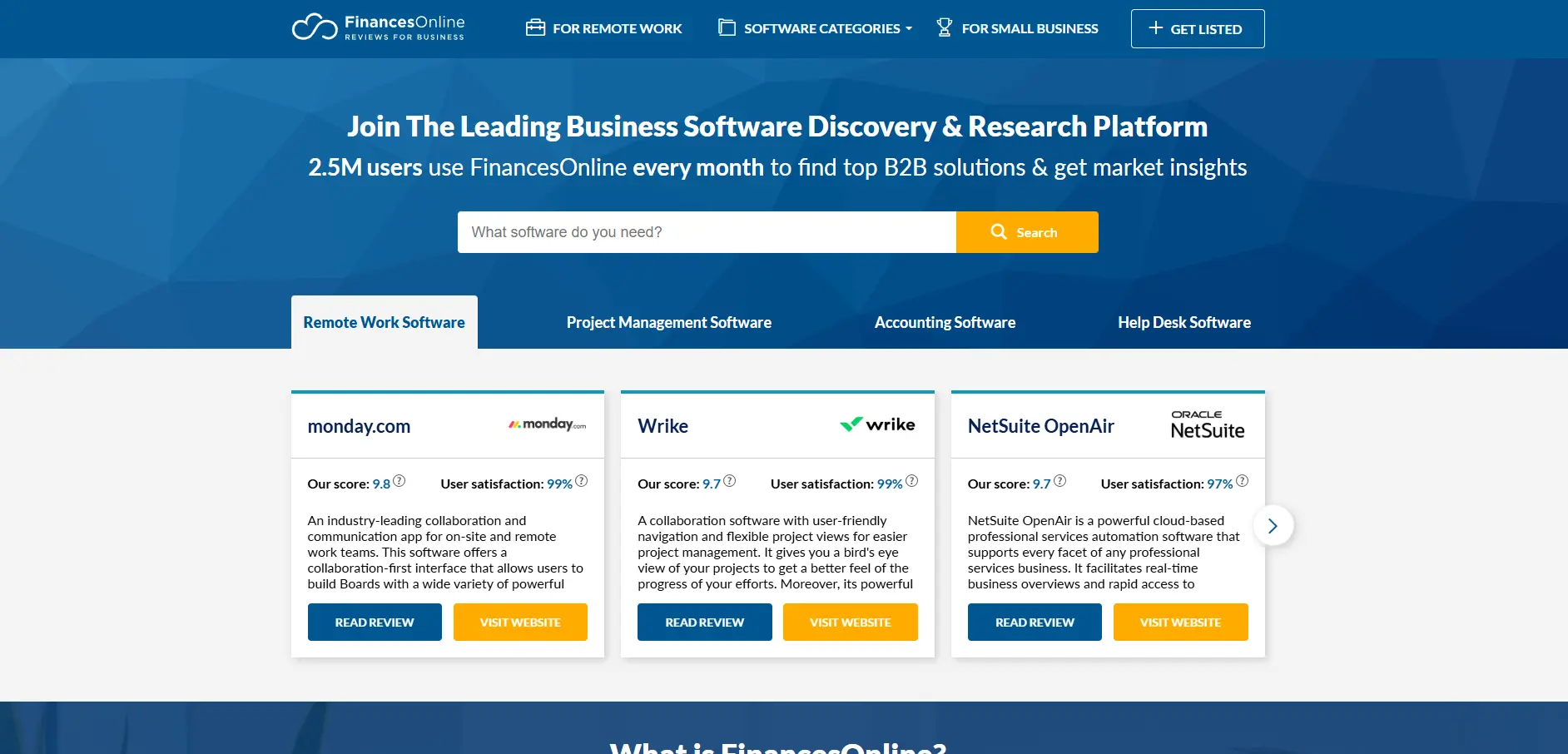
FinancesOnline is a review and comparison platform covering B2B software broadly, known for awarding badges like "Rising Star" and "Great User Experience" that vendors can display.
Key Features:
- Award badges that add social proof to your own website and pitch decks
- SmartScore ranking that combines reviews with product data
- Strong domain authority, which helps your listing rank on Google
Best For: SaaS tools that want shareable trust badges, not just a listing.
9. Spotsaas
Overview:
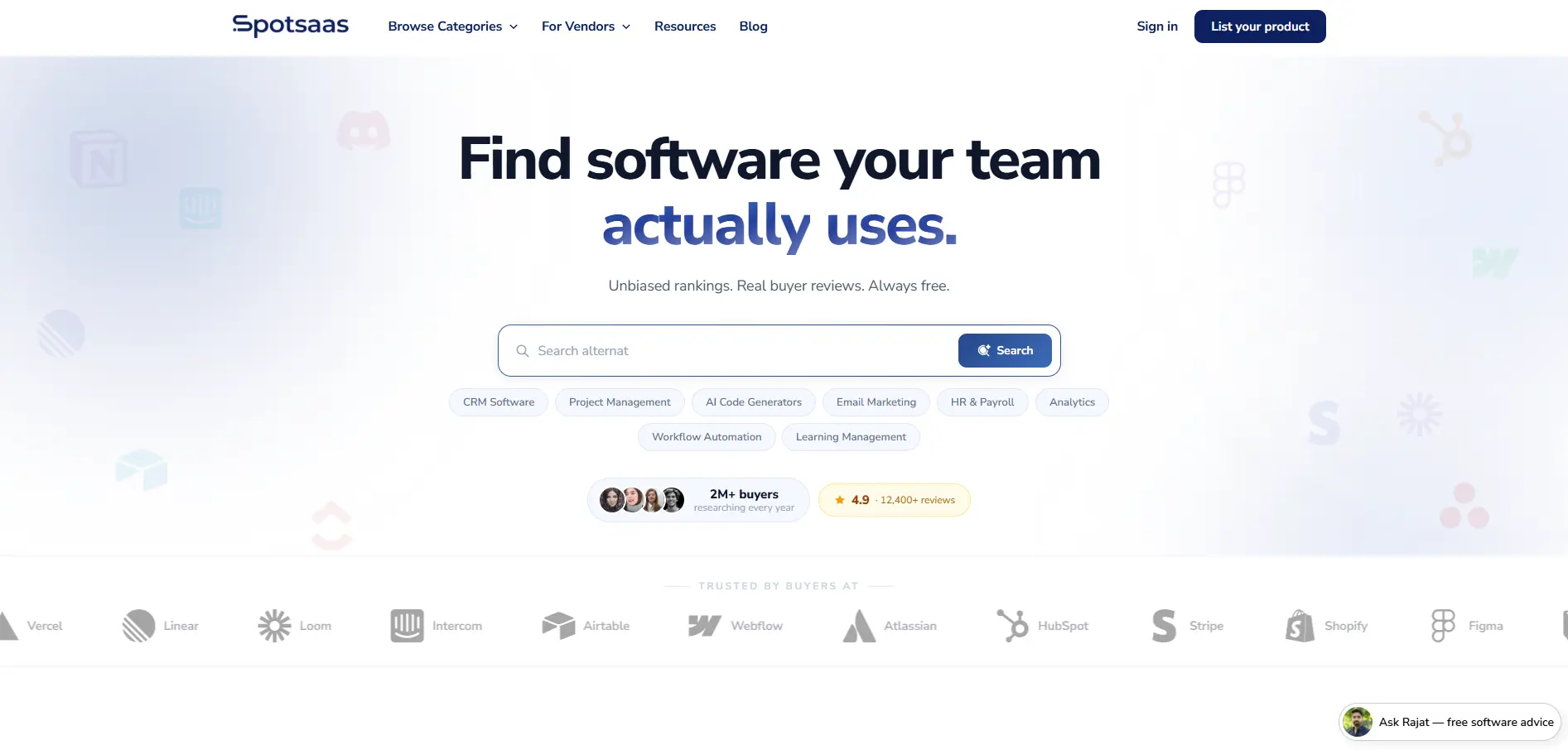
Spotsaas is a SaaS directory that helps people find the tools and it has clean pages for each category and features that help people compare things, which is useful for people who buy software and for SaaS vendors who want to be seen.
Key Features:
- Clean, uncluttered listing pages that are easy for buyers to scan
- Comparison tools that pit your product against close competitors
- Actively growing, so early listings can pick up SEO momentum
Best For: SaaS founders who want to get in early on a directory before it gets crowded.
10. GetApp
Overview:
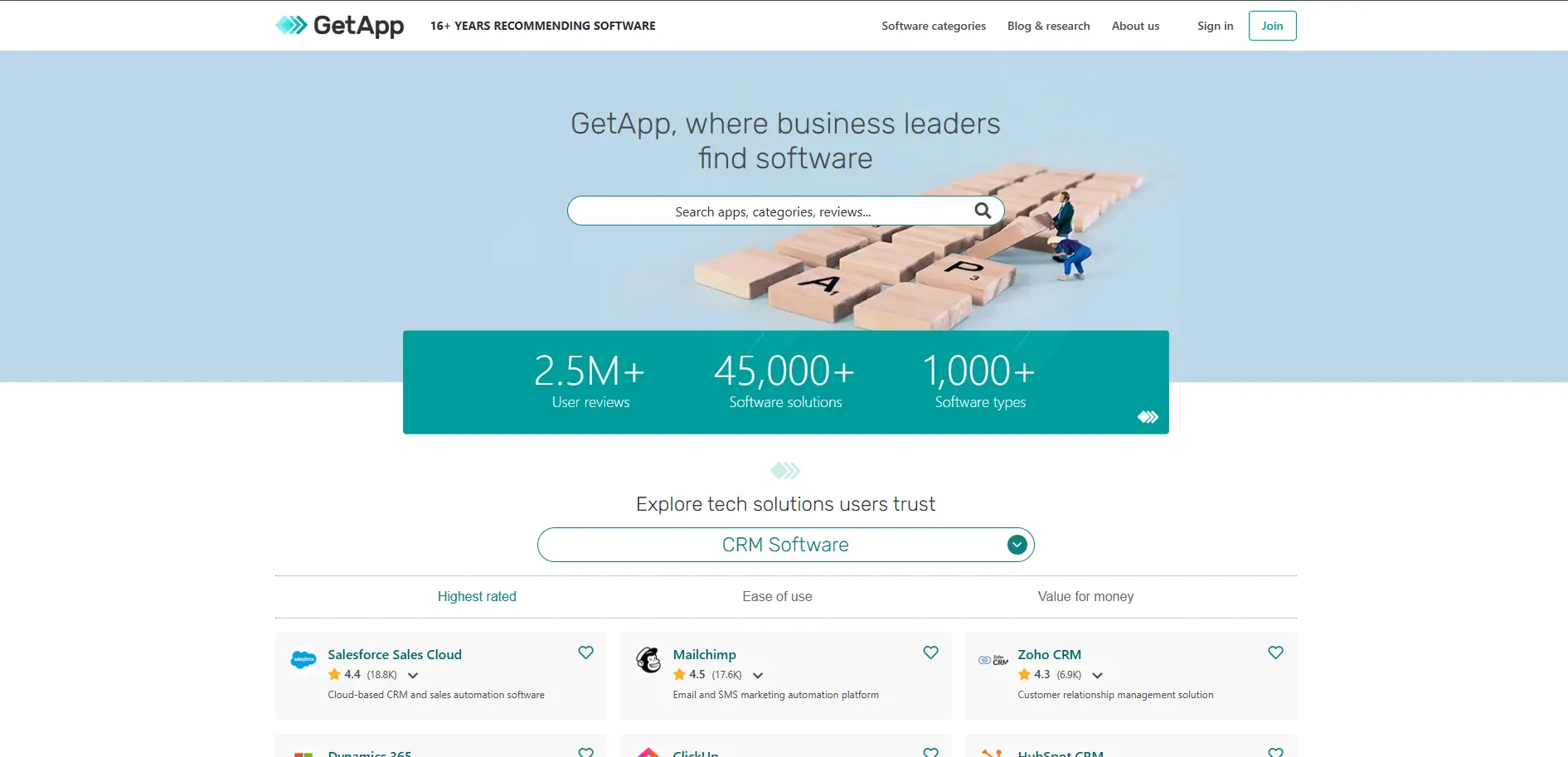
GetApp is part of the Gartner Digital Markets network, which also includes Capterra and Software Advice. It helps people find software by showing rankings reviews that're real and ways to filter things, which is helpful, for people who buy software.
Key Features:
- Shares traffic and data with Gartner's broader software network
- Category leader rankings based on usability, value, and functionality
- Verified review system that builds buyer trust
Best For: Established SaaS products with enough users to generate verified reviews.
11. Capterra
Overview:
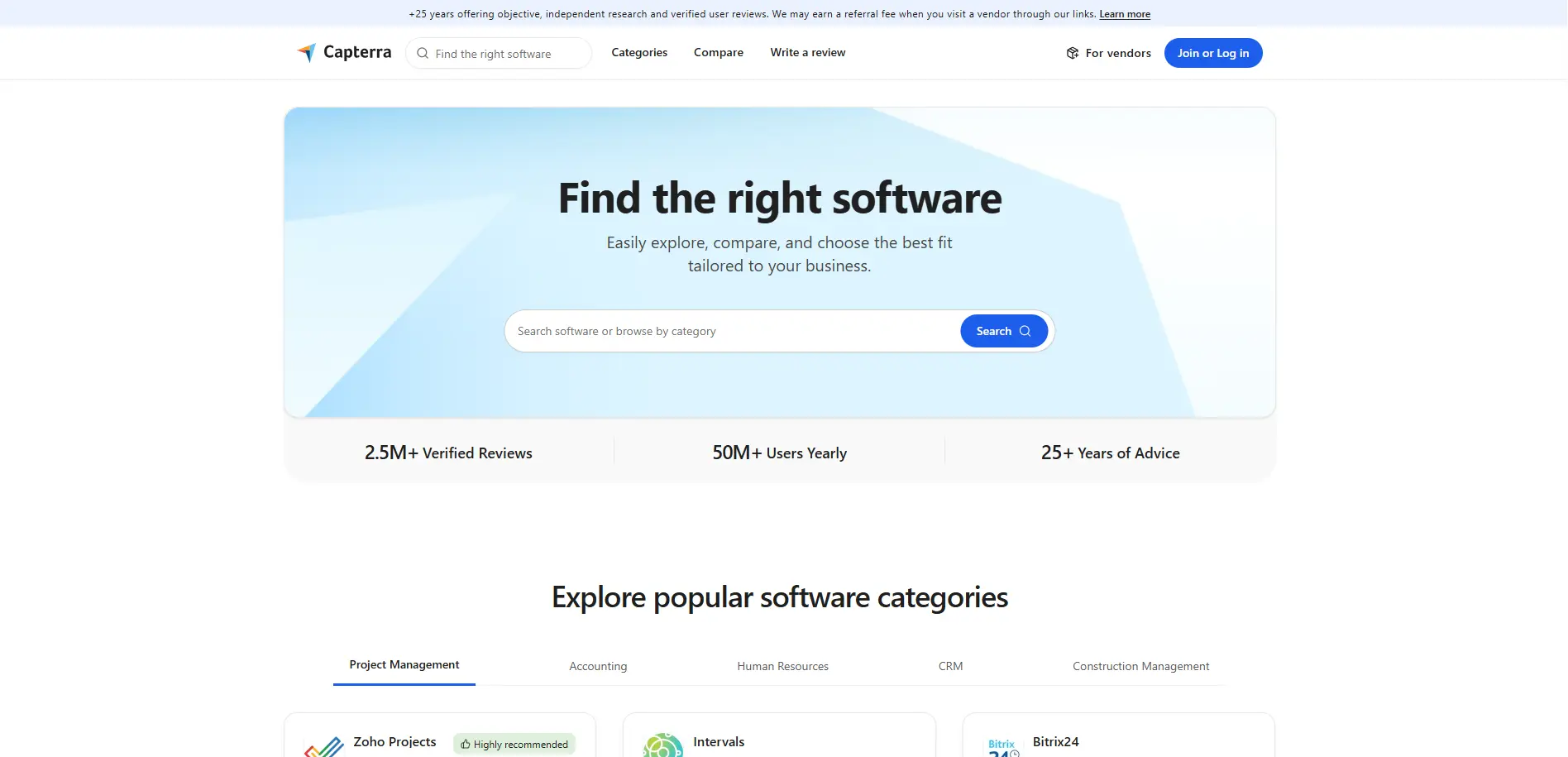
Capterra is one of the largest software review sites in the world, also under Gartner Digital Markets, with millions of monthly visitors comparing software across nearly every B2Bb category.
Key Features:
- Massive built-in traffic, which means real visibility even with a basic listing
- Detailed filtering by features, price, and business size
- Reviews that carry weight because of the platform's scale and trust
Best For: SaaS companies ready to invest in review generation - the traffic is there, but competition for attention is high.
Several of the directories above, including SoftwareBunch and Spotsaas, also run category or region-specific pages. It's worth checking whether your product category has a dedicated micro-directory - smaller audience, but far less competition for the top spot.
Explore our guide on SaaS comparison and analyzer tools to see how buyers evaluate web platforms.
Common Mistakes When Submitting to SaaS Directories
Using the same generic description everywhere. Copy-pasted listings blend in. Write a fresh one or two sentences for each directory that matches how that platform's buyers search.
Ignoring reviews. A directory listing with zero reviews rarely ranks or converts. Ask happy customers for reviews on 2-3 directories at a time instead of spreading thin.
Not tracking where signups come from. Add a unique UTM parameter per directory. Otherwise you're guessing which ones are actually worth the effort next year.
Submitting to low-quality directories for backlinks alone. Spammy directories with no real traffic can hurt more than help. Stick to platforms with real visitors, like the ones above.
How to Prioritize Which Directory to Submit To First
- High traffic, low effort: Capterra, GetApp, FinancesOnline - start here if you can invest in review generation
- High buyer intent, moderate effort: NachoNacho, Crozdesk, Software Advice - good if you have a clear use case and some budget
- Fast, low-friction wins: SoftwareBunch, Spotsaas - list here first while you build up reviews elsewhere
Conclusion
You don't need to be on every SaaS directory - you need to be on the right ones, with a listing that's actually filled out and backed by real reviews. Start with three from this list that match your buyer type, track your signups by source, and expand from there.
A half-filled listing on ten directories does less for you than a strong, complete one on three. Fill out the profile, get a few real reviews in, and give it a month before you decide it's not working. Directories are slow compounding, not instant traffic - the payoff shows up later, not the day you hit submit.