
 Table of Content
Getting noticed on TikTok feels random, and half the time it is. A clip filmed in ten minutes blows up while the one you edited for three hours gets forty views. Annoying. But luck isn’t something you can plan around, so ignore it.
Buying followers or paying for likes is also a waste, and the reason is boring: bought numbers don’t watch anything. What moves an account is content people finish, a profile that makes the following obvious, and actually talking to whoever shows up in your comments.
Here are five ways to earn free likes, followers, and views in 2027. None of them is fast. If something promises fast, it’s either lying or breaking a rule.
What Does Getting Free TikTok Likes, Followers, and Views Actually Mean?
It means the attention was earned. Someone watched, liked, commented, shared, or followed because your video was worth it, whether it made them laugh or solved something they were stuck on that afternoon. Nobody was paid and nothing was bought.
Raw view count is a bad scoreboard, though. A video seen by 500 people that gains 40 followers is doing far more for the account than one seen by 5,000 that gains nobody. The second feels better and builds nothing.
TikTok says that the way it suggests videos can use how users interact the details of the videos and the settings of the accounts. Watching, skipping, liking, sharing and commenting all are part of that. So there’s no trick. You make something the right viewer wants to watch, and the system does the matching. (TikTok explains how content is recommended here.)
1. Optimize Your TikTok Profile and Choose a Specific Niche
Most people think the video is convincing. It doesn’t. The video gets someone to your page, and the page decides whether they follow. Land on a profile where nothing explains itself and the visit ends right there.
a) Choose a memorable TikTok username
Short, readable, easy to say out loud. Your name or a clean version of your brand does the job, and a handle full of numbers and underscores doesn’t. If it’s free on your other platforms, use the same one. Then stop fiddling with it. The username is not the reason anyone follows you.
b) Select a specific content niche
Picking a niche doesn’t mean talking about one narrow thing for the rest of your life. It means someone watching two of your videos should be able to guess what the third will be about.
Fitness could mean beginner workouts, cheap meals, and the exercise mistakes everyone makes. Tech could mean phone tips, app walkthroughs, simple comparisons.
Now try the opposite. Monday is a cooking tutorial, Tuesday a travel joke, Wednesday a gaming clip. A visitor enjoys one of them and has no idea what following you would get them. So they don’t.
Pick a topic that you know enough to keep making content for months. Expand it later after you learn what the audience likes.
c) Improve your bio and profile picture
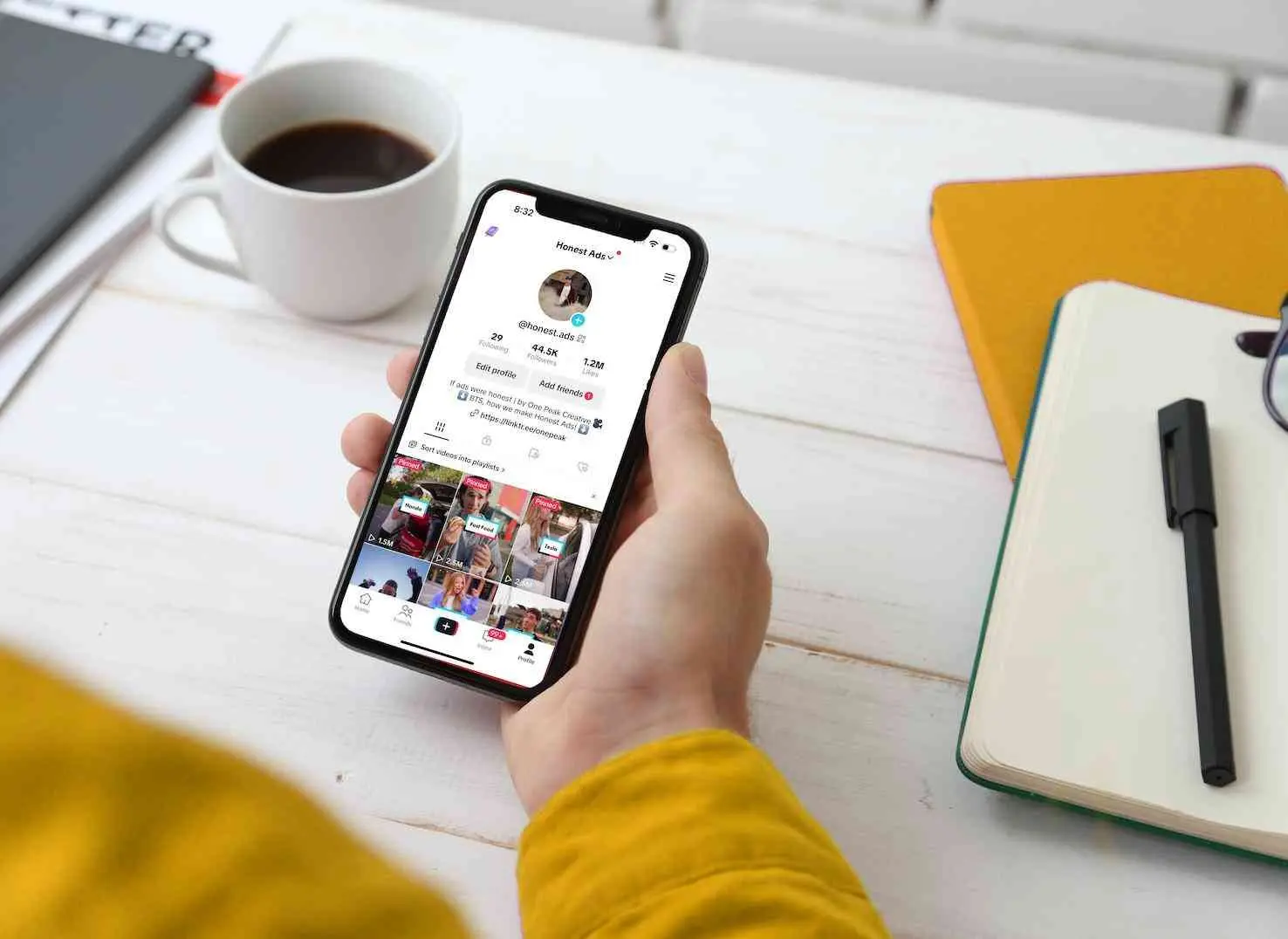
A clear photo, or a brand image people can recognize at thumbnail size. The bio should say who this is for and what they get: “Easy home workouts for beginners” does that, while “Fitness lover” does nothing.
Add links if your account allows them, and keep videos public if you want strangers to see them. Then open your own profile like you’ve never seen it. Can you tell what it’s about within a few seconds? If not, fix that before posting another video.
2. Create Engaging TikTok Videos That People Want to Watch and Like
A good profile won’t save a video nobody finishes - that’s where most accounts actually stall out. Fixing it is mostly an editing problem: a clear idea, a first few seconds that earn you the next ten, and a payoff at the end.
a) Grab attention in the opening seconds
Scrolling is fast and cheap, so the first line carries most of the weight. “Today I am sharing some exercise tips” gives nobody a reason to stay. “If squats hurt your knees, check these three things” does. Open with a question, something odd, or the result itself. Name the problem before you solve it. If the video is a recipe, show the dish first then explain the steps.
One rule here: the hook has to be true. If the opening promises a tip, the video delivers a tip. Dramatic opening plus unrelated content gets you a few seconds of attention and loses the viewer’s trust for good.
b) Keep each video focused
Each video gets one point, explained properly. Trim the long hello. Trim the sentence you said twice and the pause where you lost your place, plus any scene that does nothing. A quick tip can fit in 15 seconds. A tutorial or demo needs more room. Pick the length after you know what the video has to cover, not before.
c) Make the video easy to watch

If viewers can’t hear you, they’re gone. Film somewhere quiet, with decent light and a camera that isn’t wobbling. Captions help when they clear things up.
Add the Video Below [Link is Shared]
How to Easily Add Text to Your TikTok Videos in 2022
Proofread them, and keep them off the part of the frame that matters. Music is fine until it starts fighting your voice.
3. Use Trending Sounds, Relevant Hashtags, and TikTok Search
A useful video still has to reach the people who’d care about it. Trends, hashtags, captions, and search topics help TikTok and viewers work out what a post is about. That’s their whole job. None of them gets views on its own.
a) Join trends that fit your subject
Watch which sounds and formats keep popping up on your feed, then pull them toward your niche. A fitness account can take a popular sound and use it to point out a workout mistake everyone makes. A teacher can wrap a familiar format around a quick explanation instead of overthinking the setup every single time.
If the trend doesn’t connect to what you do, skip it. A forced trend video is worse than no video, and trends are honestly the weakest lever here. Useful content keeps working after the sound dies.
b) Choose hashtags for relevance, not quantity
Use a few that describe the video. For a beginner workout use hashtags #HomeWorkout, #BeginnerFitness, #FitnessTips. For a recipe use hashtags, #EasyRecipes, #QuickMeals. Add the main ingredient hashtag.
No magic number of hashtags exists. #fyp and #viral don’t make an unrelated video relevant, they just sit there. Choose tags a person interested in your topic might actually browse.
c) Find ideas through TikTok search
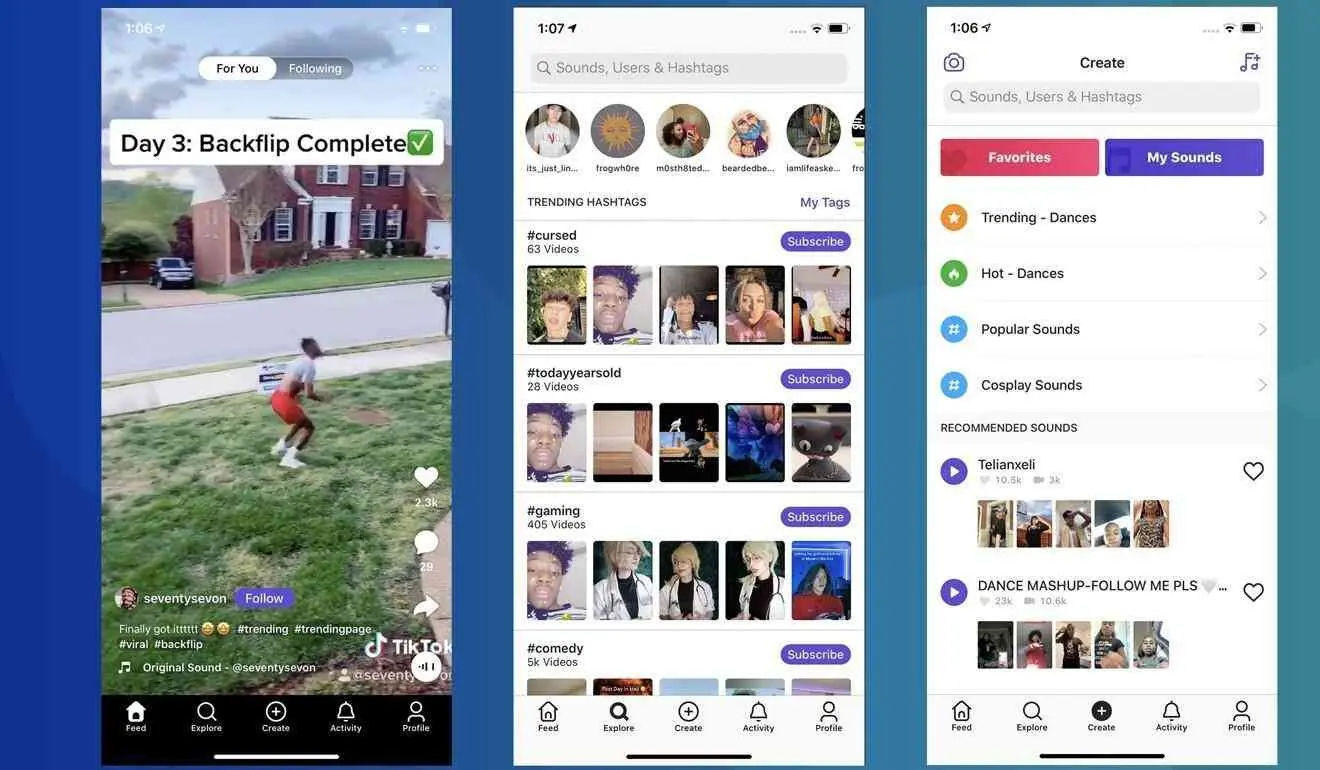
Type your topic into search and read what it suggests. Look at which videos come up and what people ask in the comments. TikTok’s Creator Search Insights can show what people search for and where the gaps are, though availability varies by region and account, so check TikTok’s current Creator Search Insights guidance.
“Fitness” is too broad to make a video from. “Beginner workout at home” is a video. So is “how to do a plank correctly.” Answer one question per video and use natural wording in your explanation, on-screen text, and caption.
4. Post Consistently and Use TikTok Analytics to Improve Your Results
Every post is another try, and tries are how you get better. Five rushed videos in a day won’t teach you anything, though. A schedule is only worth keeping if the videos don’t get worse because of it.
a) Set a realistic posting schedule
Choose a pace you can hold. Three good videos a week will outlast a daily plan that falls apart by day ten. Batch the work. Plan your topics ahead, shoot a few clips in one sitting, and keep a running list of questions that could turn into videos.
If you want a sense of what sustainable, repeatable posting looks like on a different platform, this YouTube growth strategy for small businesses walks through the same batching-and- cadence logic.
A simple week might be one tutorial, one common mistake, one answer to a viewer question. As for the best time to post, there isn’t a universal one, so test it against your own account data. Firework also recommends a regular schedule and using analytics to find out when your audience is active. (Read its TikTok engagement tips.)
b) Read your analytics instead of guessing
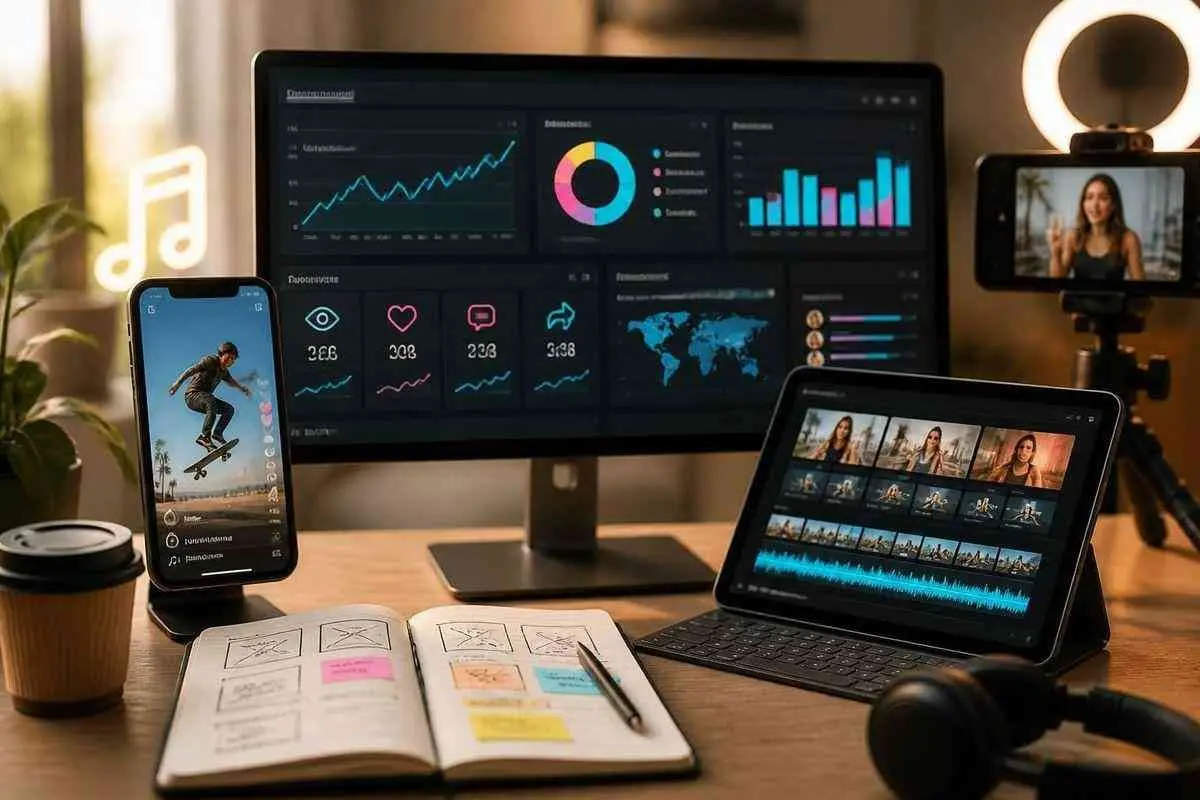
TikTok’s creator tools show views, likes, comments, shares, follower changes, and watch time - though what you actually get depends on the account.
Views alone mislead. Lots of views and few followers usually means casual interest. A smaller video that brings comments, shares, and new followers probably found the right people. One post proves very little, so look across several.
Some things worth checking. Where do viewers leave? Do tutorials hold attention better than reaction clips? Which topics bring profile visits? Are people asking the same question repeatedly? Those answers write your next video for you.
Analytics only reports the past, though. It can tell you what worked. Deciding what to make is still your job.
c) Repeat what works with a fresh angle
When a video does well, work out why before celebrating. Was the opening clear? Did it solve a common problem? Did the demonstration land? When something hits, don’t just repost it - build off it. A beginner workout video that does well can become a whole series, one exercise per video. Tweak a couple things each time and keep going.
5. Engage With Your TikTok Audience and Collaborate With Other Creators
TikTok is also a community, and the creators who treat it like one tend to grow steadier than the ones who upload and vanish.
a) Respond to comments and questions

Read your comments. Reply when you have something useful to add. Thank people for good feedback, clear up confusion, and answer real questions. If several people ask the same thing, that is your next video. A specific reply feels like a person wrote it. The same line pasted under everything doesn’t.
b) Take part in conversations with Duet and Stitch
Duet and Stitch let you answer another creator`s video with your own take. Show a new technique, add context, disagree nicely, or go ahead and answer questions.
Pick videos near your subject, and add something. Repeating the other person’s point gives nobody a reason to visit your profile. Credit the original creator and follow platform settings for using content. VEED recommends these features for connecting with creators and reaching relevant audiences. (See its guide to free TikTok likes.)
c) Collaborate with creators who share your audience
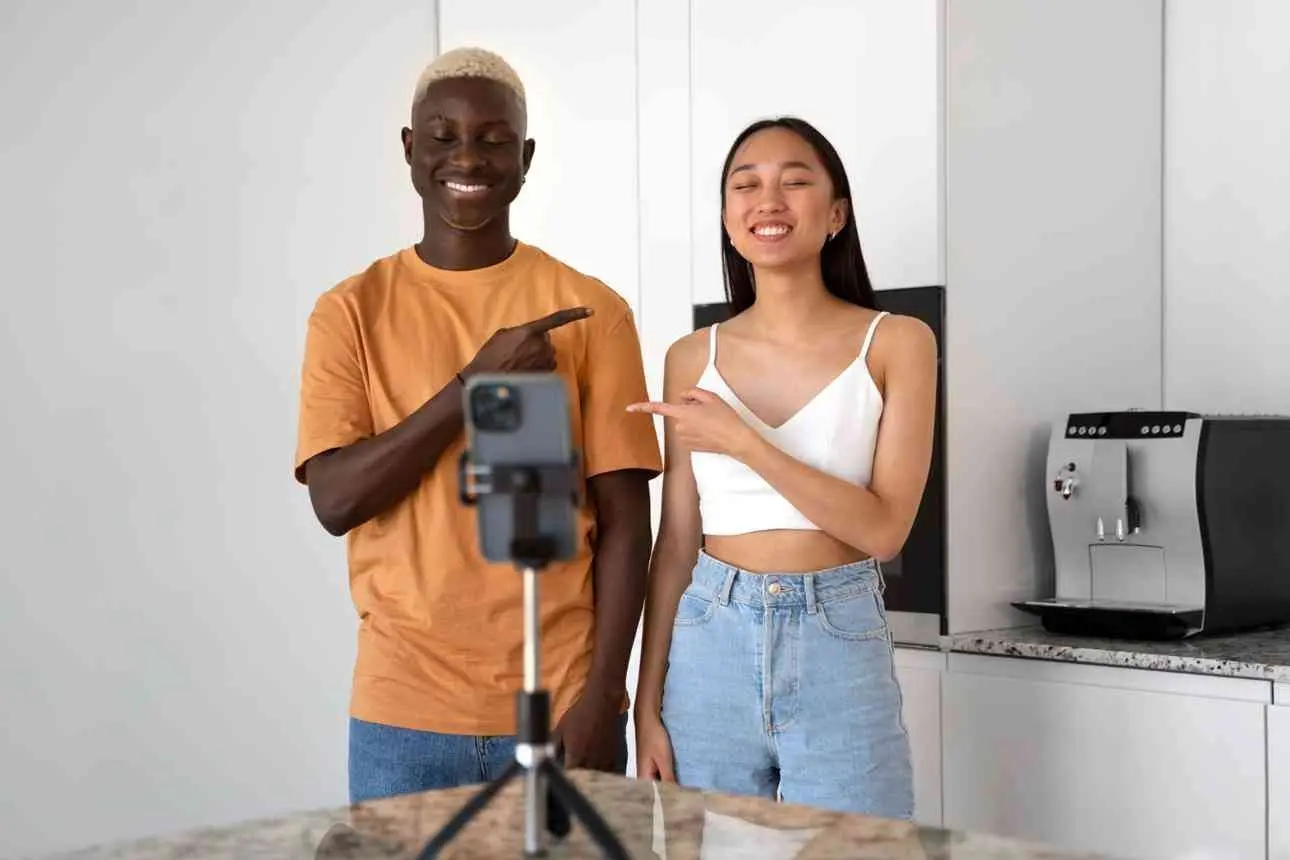
You don’t need a big partner. You don’t need a big name for a collab. A smaller creator whose audience cares about your topic will often send you better followers than a huge account in some unrelated corner of TikTok.
Find people serving the same kind of viewer and pitch something easy: a two-part tutorial, a joint challenge, a product comparison, or two different answers to the same question. Sort out who’s doing what before anyone hits record. Each of you should have a real part in the video and a reason to post it.
d) Build a community beyond individual posts

Ask your viewers what they want explained next, and give credit when a suggestion turns into a video. Jump into other creators’ discussions when you’ve got something to say. Skip the drive-by comments that exist only to get your name seen. People who come back watch your next video, and some will recommend you.
Once TikTok tactics are working, it’s worth folding them into a wider plan - this guide to building a social media marketing strategy for your brand covers how to tie platform-specific wins like this into broader goals.
What You Should Avoid When Trying to Get Free TikTok Likes and Followers
Be careful with any site promising thousands of likes or followers for your password or a quick task. Some harvest personal information. Others deliver fake engagement, which is a number with no audience behind it. Never give your password to a boosting service.
Bots, automated likes, fake comments, and “like-for-like” groups are out too. TikTok prohibits fake engagement and services that artificially increase likes or followers. These shortcuts distort your results and can lead to enforcement. Read TikTok’s Community Guidelines on deceptive behaviour. A legitimate growth method never asks for your login or wants you to mislead viewers.
A Simple 30-Day Plan to Grow Your TikTok Account for Free
- Days 1-7: Set the foundation. Pick a niche, fix up your profile, find out what your audience keeps asking, and write down ten video ideas.
- Days 8-14: Publish and experiment. Post at a pace you can manage. Try different openings and formats, and stay on topic.
- Days 15-21: Look back. Take part. Answer comments look at the numbers. Try a Duet or Stitch that fits.
- Days 22-30: Grow from what worked. Reach out about your topics try a team-up and get ready for the next month based on what you found out.
Final Thoughts:
There’s no hidden button and no viral shortcut. Free growth comes from a clear profile, videos worth finishing, relevant topics, steady improvement, and real conversations with the people watching. None of it is exciting, which is probably why so many people go looking for something faster.
Be honest with yourself about the timeline, too. Some videos will flop for no reason you can find. Others will do well and leave you guessing why. That’s normal, and it’s the reason to judge your account across several posts instead of one.
Don’t try to fix everything at once. Pick one part of your process to improve this week. Maybe it’s the bio, maybe the first three seconds of your next video, maybe replying to every comment. Change that, see what the numbers do, and build from there.