 Table of Content
YouTube is the kind of marketing channel that most small businesses think about but very few commit to. It comes up in strategy conversations, someone mentions it at a planning meeting, a competitor starts posting videos and everyone nods along — and then, somehow, it never quite makes it to the top of the priority list. The blog gets updated, the social media posts go out, the email newsletters land on schedule, and YouTube stays in the "eventually" column.
This is a missed opportunity that compounds every year you wait. YouTube rewards consistency and history. A channel that has been publishing relevant, useful videos for two years has a structural advantage over a channel that starts today that is very difficult to overcome quickly. The businesses that are building YouTube presence now, in an environment where most of their competitors are still in the "eventually" column, are building something durable.
This article is for the small business owner or marketing manager who knows YouTube deserves attention and wants a clear, honest picture of how to approach it effectively — not a list of generic tips, but a real strategic framework for building a channel that generates leads, builds brand authority, and compounds in value over time.
Why YouTube Is Different From Every Other Platform
The most important thing to understand about YouTube is that it is not a social media platform in the way that Instagram or TikTok are. Those platforms are primarily discovery engines driven by algorithmic feed distribution — content gets pushed to users based on engagement signals, and the organic reach of any given post is determined by how the algorithm responds to early engagement.
YouTube is primarily a search engine. The majority of YouTube viewing happens because a user searched for something and found a video that addressed their query. This has profound implications for how you think about content strategy on the platform.
On Instagram, the question is "what will perform well in the feed right now?" On YouTube, the question is "what are the people I want to reach searching for, and what videos would genuinely serve those searches?" The first question produces content with a short lifespan. The second produces content that can generate views for years after publication, compounding in value as it accumulates watch time and search authority.
This is the compounding dynamic that makes YouTube such a powerful long-term channel for businesses willing to invest in it seriously. A well-optimised video on a relevant topic can continue generating organic views — and qualified traffic — for three, four, five years after it was published. No other content format offers that combination of longevity and discoverability.
The Channel Strategy Before the First Video
The businesses that build successful YouTube presences share a common characteristic: they thought strategically before they started creating. They understood their audience, identified the specific topics that audience was searching for, and designed a content system that they could actually sustain over time. The ones that struggle typically started without that foundation — they published a few videos, saw slow initial growth, and concluded that YouTube "doesn't work" for their type of business.
A useful YouTube channel strategy starts with four questions.
Who specifically is this channel for? Not "our customers" in the abstract, but a specific person: a small business owner in their early growth stage, an IT manager at a mid-size manufacturing company, a freelance designer who wants to build a client base. The more specifically you can describe the person you are trying to reach, the more targeted and useful your content will be — and targeted, useful content outperforms general content on YouTube consistently.
What are they searching for? This is a research question. YouTube's search suggestions, the "People also ask" feature in Google search, forums and Reddit communities your audience frequents, and the questions that come up in your own client conversations are all rich sources of topic ideas. The goal is to identify searches where there is genuine demand and where the existing videos do not serve the searcher as well as you could.
What format matches your strengths and your audience's preferences? Some audiences want short, punchy explainers. Others want deep-dive tutorials. Some topics are best served by screen recordings, others by talking-head presentations, others by demonstration videos. Matching content format to both the topic and the audience preference improves watch time and engagement, which are the metrics YouTube's algorithm uses to determine how widely to surface your content.
What publishing cadence can you actually sustain? This is the most honest question, and the one most channel strategies fail to answer honestly. A channel that publishes consistently at one video per month outperforms a channel that publishes five videos in a burst and then goes silent for six weeks. Realistic consistency beats optimistic intentions that do not survive contact with a full production schedule.
Search Optimisation: What Actually Moves Your Videos Up
Publishing good videos is necessary but not sufficient. Getting those videos discovered requires understanding YouTube's search optimisation mechanics, which differ meaningfully from Google SEO even though the platforms are related.
YouTube's ranking algorithm gives enormous weight to engagement signals — particularly watch time and average view duration. A video that people click on and watch through to the end is a video YouTube will continue to surface. A video that people click on and immediately abandon tells the algorithm that the video is not delivering on what the title and thumbnail promised, and its organic reach will be curtailed accordingly.
This means that the most important SEO work you can do for a YouTube video is not in the metadata — it is in the content itself. A video that genuinely delivers what its title promises, structured in a way that holds viewer attention from opening to close, will outrank a technically well-optimised video that does not keep viewers engaged.
That said, the metadata work matters too. Title, description, tags, and captions are how YouTube's systems understand what your video is about and which search queries it is relevant to. Working with specialists in YouTube optimization who understand both the keyword research and the technical implementation side of this saves significant time and produces meaningfully better initial indexing for new content.
Channel Management as a System, Not a Task List
One of the realities that catches small businesses off guard when they start taking YouTube seriously is how much ongoing management a growing channel requires. The publishing workflow is just the beginning.
Comment management — responding to viewer questions and engagement, moderating spam and negative content, identifying the comments that contain insight about what content the audience wants next — is a regular time commitment that scales with channel size. Community posts, end screens, cards, and playlist organisation are ongoing optimisation tasks. Analytics review — understanding which videos are retaining viewers well and which are not, which topics are generating subscriber conversion versus one-time views, which traffic sources are growing — is essential for evolving the content strategy based on real data rather than assumptions.
This is where professional management of a growing channel pays for itself. The time cost of managing a channel that is publishing consistently, engaging with its community, and optimising based on performance data is substantial — and it is time that comes out of whatever else a small business owner or marketing manager would otherwise be spending their energy on. The channels that grow fastest typically have either a dedicated internal owner for YouTube or an external partner who handles the operational layer while the business owner focuses on what only they can do: providing the expertise, perspective, and subject matter knowledge that makes the content genuinely valuable.
YouTube Advertising as a Complement to Organic Growth
Organic YouTube growth is a long game. The compounding returns are real, but they take time to materialise. For businesses that want to accelerate awareness, reach a targeted audience immediately, or test what content formats and topics resonate before investing in organic production at scale, YouTube advertising provides a powerful complement.
YouTube ads sit within Google's advertising ecosystem and inherit the targeting sophistication that makes Google Ads powerful: demographic targeting, intent-based targeting based on search and browsing behaviour, topic targeting, and remarketing to people who have previously interacted with your content or website. This targeting precision means that a YouTube ad budget, deployed intelligently, can reach a very specific audience efficiently — far more efficiently than broadcast advertising approaches.
The interaction between paid and organic on YouTube is also worth understanding. Videos that receive paid promotion tend to accumulate watch time and engagement signals faster, which gives them better standing in organic search results once the paid budget stops driving views. This means that strategic use of YouTube advertising on your highest-quality organic content can accelerate the organic growth curve in ways that purely organic approaches cannot match.
The Content Quality Question
There is a persistent myth in YouTube advice that production quality does not matter — that audiences care only about value, not about how a video looks or sounds. This is half true. Audiences will forgive imperfect visuals if the content is genuinely useful. They will not forgive genuinely bad audio. And in most business and professional niches, there is a quality floor below which content is not taken seriously as a representation of the brand.
The practical implication is that you do not need a broadcast-level production setup to build a successful business YouTube channel. But you do need decent audio (which an inexpensive lapel microphone provides), reasonable lighting (which natural light from a window provides), and editing that removes dead time and keeps the video moving at a pace that holds attention.
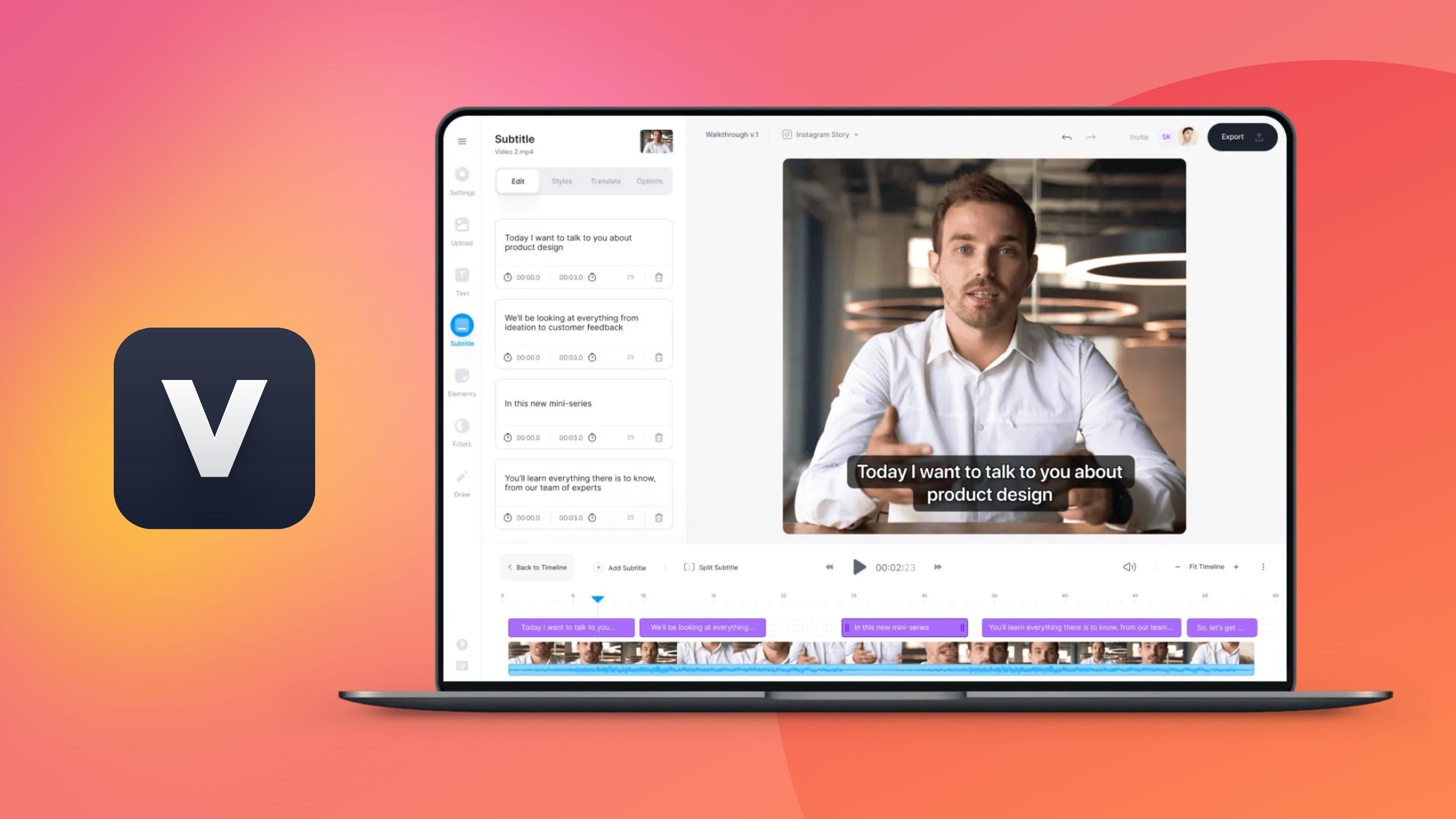
Professional video editing for a YouTube channel is one of the higher-leverage production investments available, precisely because editing is where the difference between a video that retains viewers and one that loses them is largely made. Raw footage that has been intelligently edited — with dead time removed, good pacing, clear visual structure, and appropriate graphics — performs measurably better in the watch time metrics that determine organic reach.
The Compounding Case for Starting Now
Every month that passes without a YouTube channel is a month of compounding value foregone. The views, the subscribers, the search authority, the trust capital built with an audience over time — these do not wait. The competitor who started twelve months ago has a twelve-month head start that will take significant effort to close.
The good news is that most business categories on YouTube are still underdeveloped. The opportunity to become the most useful, most authoritative channel in your specific niche is available to businesses willing to invest consistently and strategically. The ones that commit to it now, build the systems to sustain it, and focus relentlessly on serving a specific audience well are the ones that will look back in three years at an asset that would have been expensive to acquire and is essentially impossible to replicate quickly.
The "eventually" column is where YouTube growth goes to die. Moving it to "now" is, for most small businesses with something genuine to say to their audience, one of the better marketing decisions available.